2026 Global Report of the Lancet Countdown out now!
A decade of escalating health harms and a decisive moment for all
Explore findings from the 2026 Global Report of the Lancet Countdown on Health and Climate Change.
Discover our new Data Explorer
Explore our latest 2026 data through interactive charts, maps and data visualisations
Visit our new data explorer now.

What does the Lancet Countdown do?
The Lancet Countdown is an international research collaboration, funded by Wellcome and headquartered at University College London (UCL).
Bringing together over 300 researchers from leading research institutions and UN agencies across the globe, we work to ensure that health is at the centre of how decision makers understand and respond to climate change. Through high-quality scientific data, we work to inform policies that can maximise the health benefits of climate change action, and enable a world in which all populations can thrive.

Who funds the Lancet Countdown?
The Lancet Countdown operates with strategic and financial support from Wellcome, a politically and financially independent global charitable foundation.
Wellcome supports science to solve the urgent health issues facing everyone. Its Climate and Health programme seeks to generate the health evidence for policy action that protects health from climate change.

What is the Lancet Countdown’s history?
The 2015 Lancet Commission concluded that ‘tackling climate change could be the greatest global health opportunity of the 21st century’. In 2016 the Lancet Countdown was formed to provide a global academic collaboration with the ability to track and monitor progress on health and climate change, and engage policymakers and health professionals in maximising this opportunity.

Who contributes to the Lancet Countdown?
Our work is led by almost 300 health professionals, scientists and researchers, at more than 50 leading academic centres and UN agencies across the world. The collaboration brings together world-class experts from a range of disciplines, including health and epidemiology, climate science, engineering, agriculture, transport, economics, and social and political sciences.
Our Regional Centres
The Lancet Countdown is made up of individuals and organisations from all over the world, that are committed to changing the way we think about climate change and health. Our Regional Centres in Asia, Africa, Europe, Oceania, Small Island Developing States (SIDS) and Latin America expand on our global data monitoring and analysis, looking at the local and national implications on public health.

and Events

Dr Tedros Adhanom Ghebreyesus, Director-General of the World Health Organization
“The evidence is undeniable: climate change is one of the greatest threats to health facing humanity. Its impacts are already being seen through worsening heat stress, extreme weather events, food insecurity and disease.”
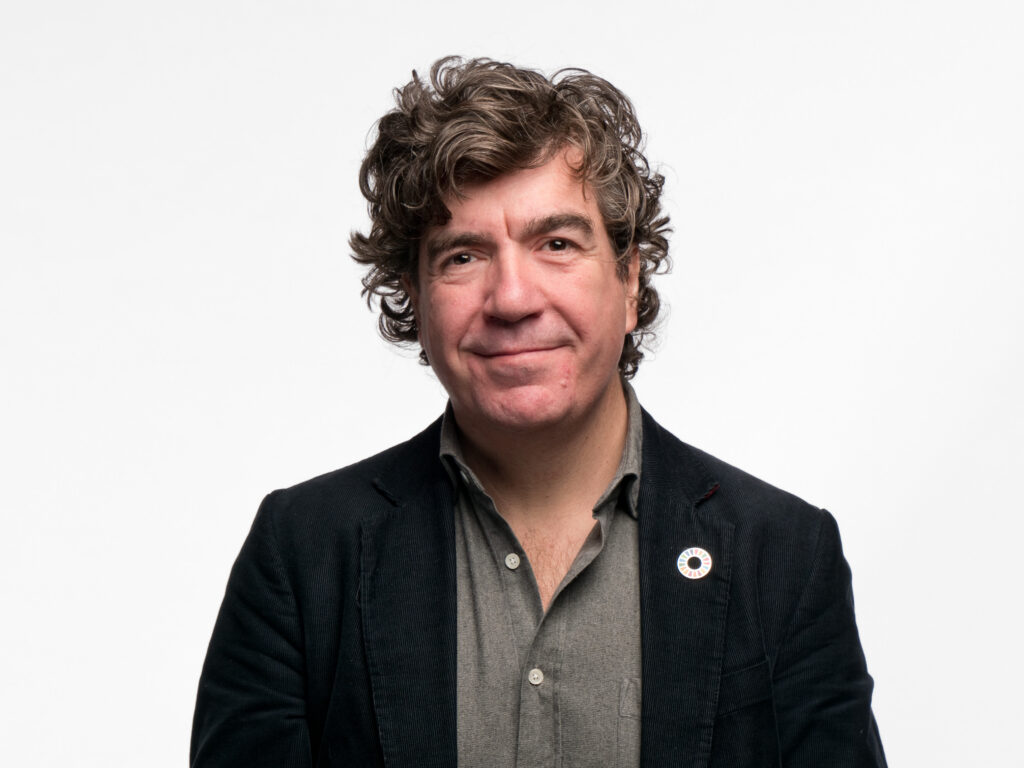
Alan Dangour, Director of Climate and Health, Wellcome
“The last decade has seen health harms from climate change escalate, and even accelerate – creating the biggest health challenge of our time and with these harms falling most heavily on the most vulnerable – children, pregnant women, older people, outdoor workers and those with existing health conditions.
This cannot continue. We must change course and put the health and wellbeing of people at the heart of our response to climate change – measuring success not through emissions targets or degrees Celsius but by lives saved and health outcomes improved. We have the evidence and the solutions. What we now need is the political leadership and courage to prioritise the wellbeing of the many over the profits of the few.”
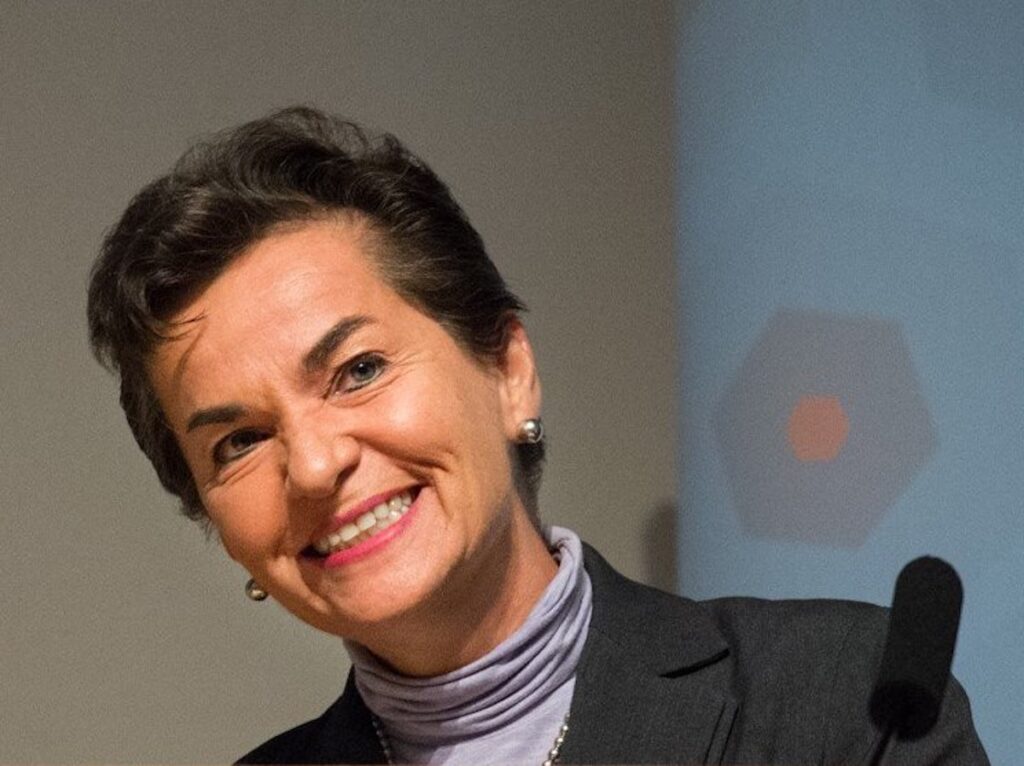
Christiana Figueres, Host Outrage & Optimism! podcast and former Executive Secretary, UNFCCC (2010-2016)
“I support the call of the latest Lancet Countdown report to declare climate change a global public health emergency—and to respond with the speed, resources and solidarity an emergency demands.
We know that solutions work: clean energy investment is breaking records, and cleaner air is already saving lives. Every government has a choice: prolong our dependence on fossil fuels or accelerate a transition that protects health. Every fraction of a degree matters. Every life matters.”

The Lancet Countdown was established in partnership with the Wellcome Trust, which continues to provide core financial support.
Wellcome is a financially and politically independent global charitable foundation established in 1936. It supports discovery research into life, health and wellbeing, and brings together expertise across science, innovation and society to develop solutions to address three of the biggest health challenges facing humanity – climate change, infectious disease and mental health. Its Climate and Health programme seeks to generate the health evidence for policy action that protects health from climate change.
Learn more: www.wellcome.org

The Lancet Countdown publishes annually in The Lancet.
The Lancet began as an independent, international weekly general medical journal founded in 1823 by Thomas Wakley. Since its first issue (Oct 5, 1823), the journal has strived to make science widely available so that medicine can serve and transform society, and positively impact the lives of people. Over the past two centuries, The Lancet has sought to address urgent topics in our society, initiate debate, put science into context, and influence decision makers around the world. The Lancet has evolved as a portfolio of journals and retains at its core the belief that medicine must serve society, that knowledge must transform society, that the best science must lead to better lives.
Learn more: www.thelancet.com
The Lancet Countdown is headquartered at UCL’s Institute for Global Health.
Founded in 1826 in the heart of London, UCL is London’s leading global university, ranked consistently in the top 10 universities worldwide. The UCL Institute for Global Health (IGH) is a world-leading centre of research and teaching excellence. Its research focuses on conducting high quality, high impact research to inform health policies and practices, tackling the biggest global health challenges. IGH has strong partnerships with researchers, patients, communities, healthcare providers and policymakers in the UK, Europe, Asia, sub-Saharan Africa, and South America.
Learn more: www.ucl.ac.uk