


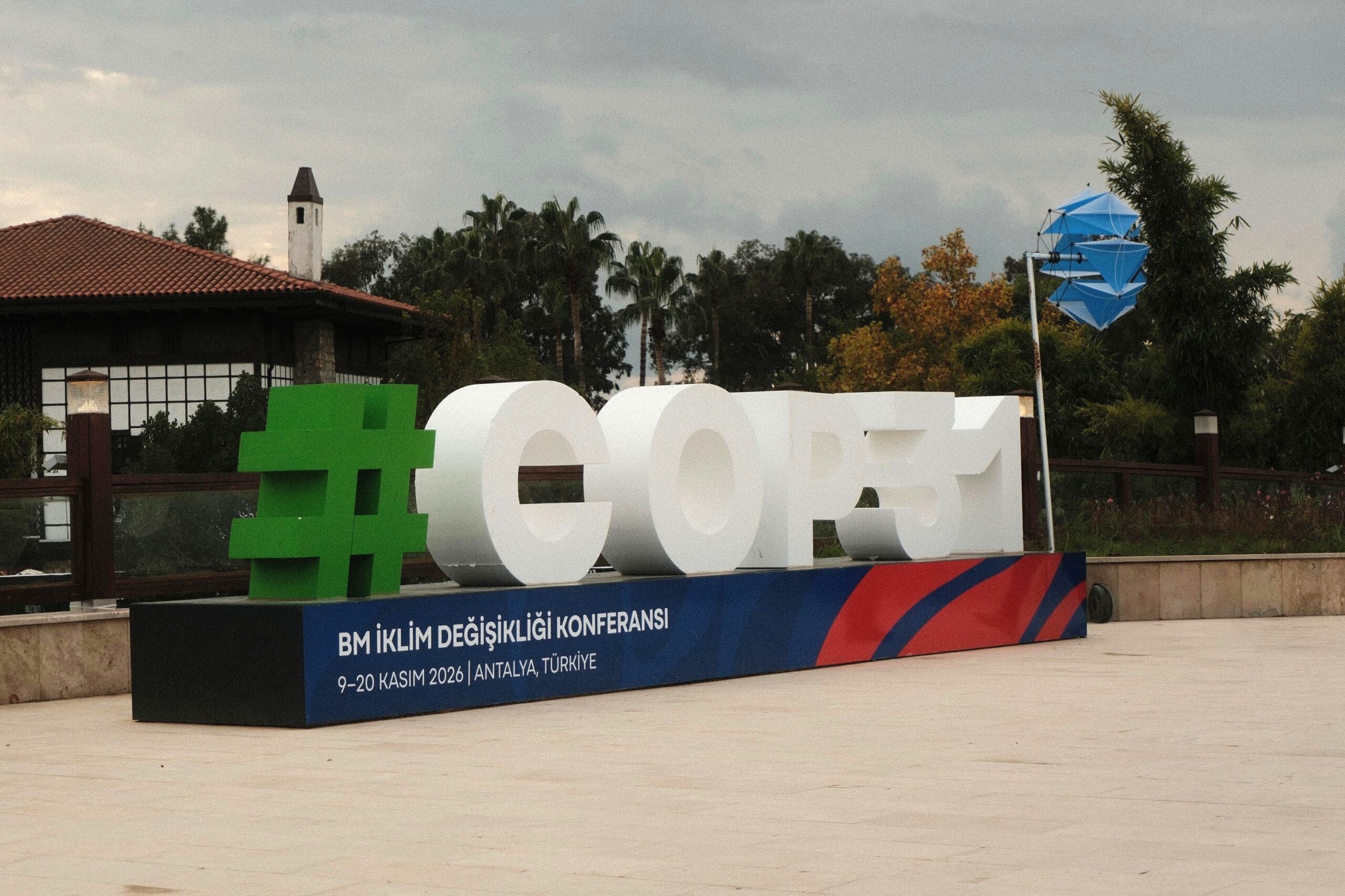

The failure of the Antalya Pact to mention the scientifically-grounded need to transition away from fossil fuels, or to sufficiently advance commitments on critically-needed climate finance, resulted in COP31 closing without a headline deal.
In light of the accelerating health impacts of climate change, and an unavoidable overshoot of global warming exceeding 1.5°C, the Lancet Countdown describes this failure as a wake-up call.
Prof Marina Romanello, Executive Director of the Lancet Countdown said:
“This year alone, communities around the world have been on the frontlines of record-breaking heatwaves, raging wildfires and increasingly extreme weather events. These are not distant threats or abstract negotiating points. In the light of accelerating health impacts, it would have been counterproductive for countries to agree, by consensus, on any outcome that failed to recognise the urgency of transitioning away from fossil fuels, or to make meaningful progress towards the much-needed climate finance to enable a just transition.”
The latest Lancet Countdown report warned of accelerating health impacts over the last decade compared to decades before, warning that action is not keeping pace with the impacts people are facing. This comes in the same year as the UN recognised that exceeding 1.5°C of global warming is now unavoidable under current trajectories, rendering further health harms inevitable without urgent action to phase out fossil fuels and implement adaptation measures to build resilience – both of which require a rapid escalation of climate finance.
“Climate change is putting human lives, health and livelihoods at stake,” said Prof Romanello. “The outcome of COP31 must inspire a reset that puts science first, resists the influence of vested fossil fuel interests, and delivers the scale and speed of action that people’s health demands – without overreliance on technologies like carbon capture use and storage which remain unproven at scale and would not fully address the health harms of fossil fuel dependence.
“We recognise and commend the countries that fought hard for ambition and progress throughout these negotiations – often those hit hardest by the impacts of climate change despite having contributed the least to the crisis.
“The science is unequivocal, the health impacts are already here, and the imperative to act has never been clearer. The failure to reach an agreement must not become an excuse for further inaction – this must be a wake up call to strengthen multilateralism and accelerate meaningful action. Phasing out fossil fuels and drastically increasing the provision of timely, predictable, accessible and grant-based climate finance is critical to enable a just transition and protect health. People’s lives are on the line.”